
The Third Leg of Retirement: When Social Security and Savings Aren’t Enough
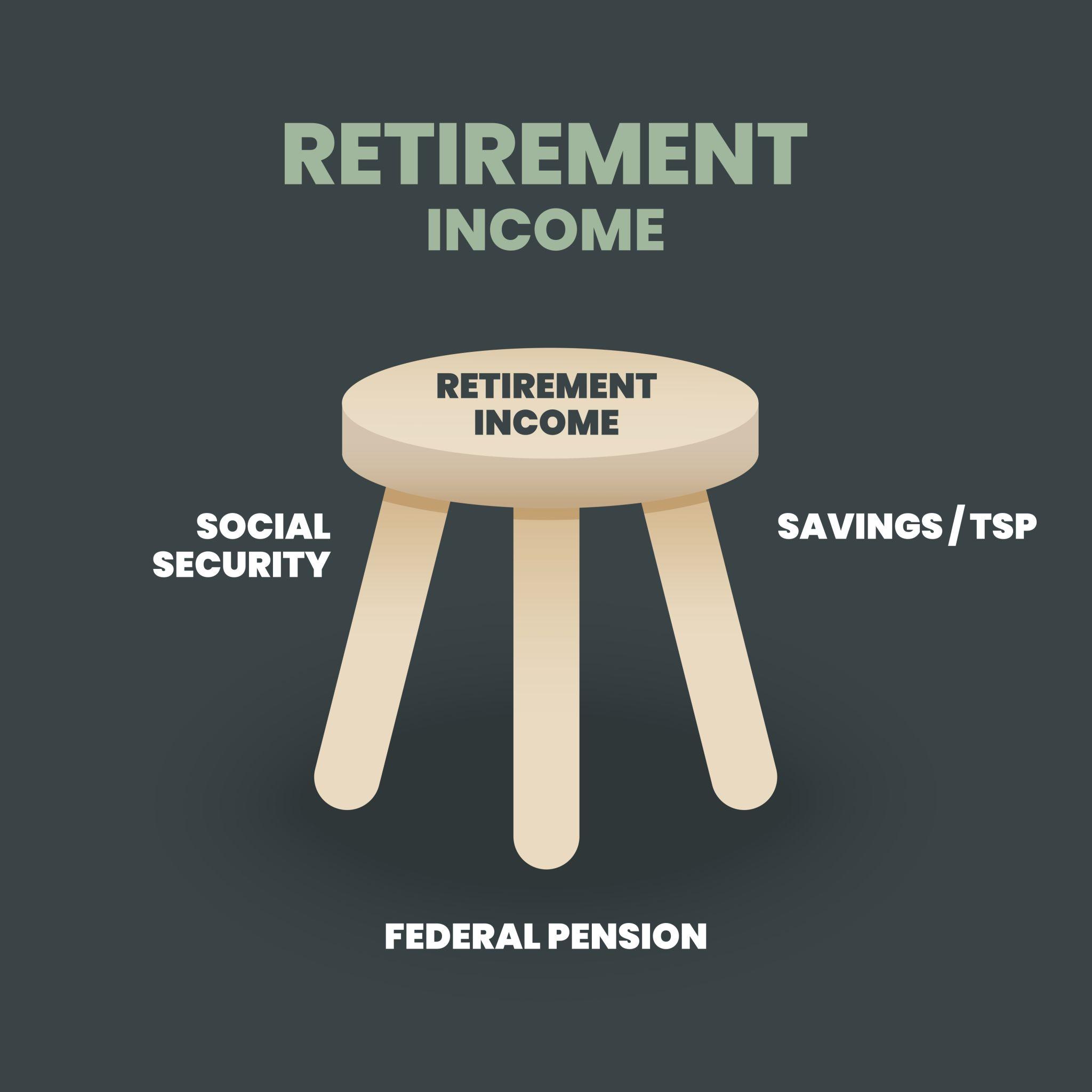
For decades, retirement planning has been described as a three-legged stool built on Social Security, pensions, and personal savings. The idea was simple: when those three sources worked together, retirees could enjoy a stable and secure retirement.
But today, that traditional model has changed dramatically.
For most Americans, pensions have disappeared. As a result, many retirees are now trying to support themselves on just two legs: Social Security and personal savings.
Unfortunately, that two-legged stool often isn’t stable enough.
The Growing Retirement Income Gap
Many retirees today face a difficult reality: their income doesn’t always keep pace with their expenses. Rising healthcare costs, inflation, and longer life expectancies can quickly strain retirement resources.
This challenge affects a wide range of people:
House-rich, cash-poor retirees who have substantial home equity but limited liquid savings
Middle-income retirees relying primarily on Social Security and modest retirement accounts
Mass-affluent households who have accumulated savings but worry about running out of money later in life
Despite their differences, they often share the same problem: insufficient reliable income.
The Untapped Resource in Many Retirement Plans
What many retirees overlook is that one of their largest assets is sitting right under their roof.
For millions of homeowners age 62 and older, their home represents a significant portion of their net worth. Yet traditional retirement planning often ignores housing wealth as a potential resource.
Instead, retirees are often encouraged to preserve home equity at all costs, even while they struggle with cash flow.
But housing wealth can actually serve as the missing third leg of retirement income.
Turning Home Equity into Retirement Cash Flow
A Home Equity Conversion Mortgage (HECM), commonly known as a reverse mortgage, allows homeowners age 62 and older to access a portion of their home equity without having to sell their home or make monthly mortgage payments.
Instead of writing a check each month to the lender, homeowners can receive funds from their home equity in several ways:
A line of credit that grows over time
Monthly payments to supplement retirement income
Lump sum withdrawals for larger expenses
Or a combination of these options
As long as the homeowner continues living in the home, paying property taxes and insurance, and maintaining the property, the loan does not need to be repaid until the home is sold or the homeowner permanently leaves the home.
Why Housing Wealth Can Strengthen Retirement Security
Incorporating home equity into a retirement strategy can provide several important benefits.
Improved Cash Flow
Accessing home equity can provide additional income to cover everyday expenses, helping retirees maintain their lifestyle without draining investment accounts.
Reduced Pressure on Retirement Savings
Using housing wealth strategically may allow retirees to preserve investment portfolios, giving those assets more time to grow and potentially last longer.
Greater Financial Flexibility
A reverse mortgage line of credit can act as a financial safety net, providing funds when unexpected expenses arise.
Peace of Mind
Knowing that another source of funds is available can reduce the stress many retirees feel about running out of money.
Rethinking Retirement Planning
Retirement today looks very different than it did a generation ago. People are living longer, healthcare costs continue to rise, and traditional pensions have largely disappeared.
Because of this, it may be time to rethink how retirement income is structured.
Instead of relying solely on Social Security and savings, many retirees are discovering that housing wealth can serve as the third leg that stabilizes their retirement plan.
Is Housing Wealth Right for Your Retirement Strategy?
Every retirement plan is unique, and using home equity isn’t the right solution for everyone. But for many homeowners age 62 and older, it can be an important tool for improving cash flow and increasing financial security.
Understanding how housing wealth fits into your overall retirement strategy can help you make more informed decisions about the future.
If you’d like to learn more about how a reverse mortgage may help strengthen your retirement income plan, we’re happy to walk you through the options.
Send us a note below to request more information.