Reverse Mortgage & Retirement Articles
Reverse Mortgage Resources for Retirement Planning
Explore our reverse mortgage articles and resources about using home equity as part of a retirement strategy. Learn how reverse mortgages may provide greater financial flexibility in retirement, create access to home equity, establish a line of credit, help purchase a retirement home, or support other financial goals.
These resources cover HECM and proprietary reverse mortgage options, retirement planning considerations, home-buying strategies, and other topics designed to help homeowners and their families better understand their choices.
New to reverse mortgages? Learn how a reverse mortgage works, explore reverse mortgage payout options, or see what your reverse mortgage options could look like.

The $15 Trillion Gap
Seniors hold a record $15.34 trillion in housing wealth, yet HECM endorsements just hit a 22-year low. Rick R. Rodriguez, CRMP, on the $15 trillion gap — and why housing wealth belongs inside the retirement plan.

The Silver Tsunami Could Reshape Housing — and Reverse Mortgages May Help Unlock the Next Move
The Silver Tsunami Could Reshape Housing — and Reverse Mortgages May Help Unlock the Next Move For years, the housing industry has talked about the coming “Silver Tsunami”—the massive demographic […]

Why Some Retirees Use a Reverse Mortgage to Buy a Home—Even When They Could Pay Cash
Why Some Retirees Use a Reverse Mortgage to Buy a Home—Even When They Could Pay Cash If you have enough money to pay cash for your next home in retirement, […]

The Medicaid 5-Year Lookback and Reverse Mortgages: What Homeowners Should Know
The Medicaid 5-Year Lookback and Reverse Mortgages: What Homeowners Should Know For many older Americans, their home is their largest asset. After decades of homeownership, they may have accumulated hundreds […]

How Much Do You Need to Retire? Why Your Home May Be Part of the Answer
How Much Do You Need to Retire? Why Your Home May Be Part of the Answer Retirement planning has never been more challenging. A recent analysis from Investopedia estimates that […]
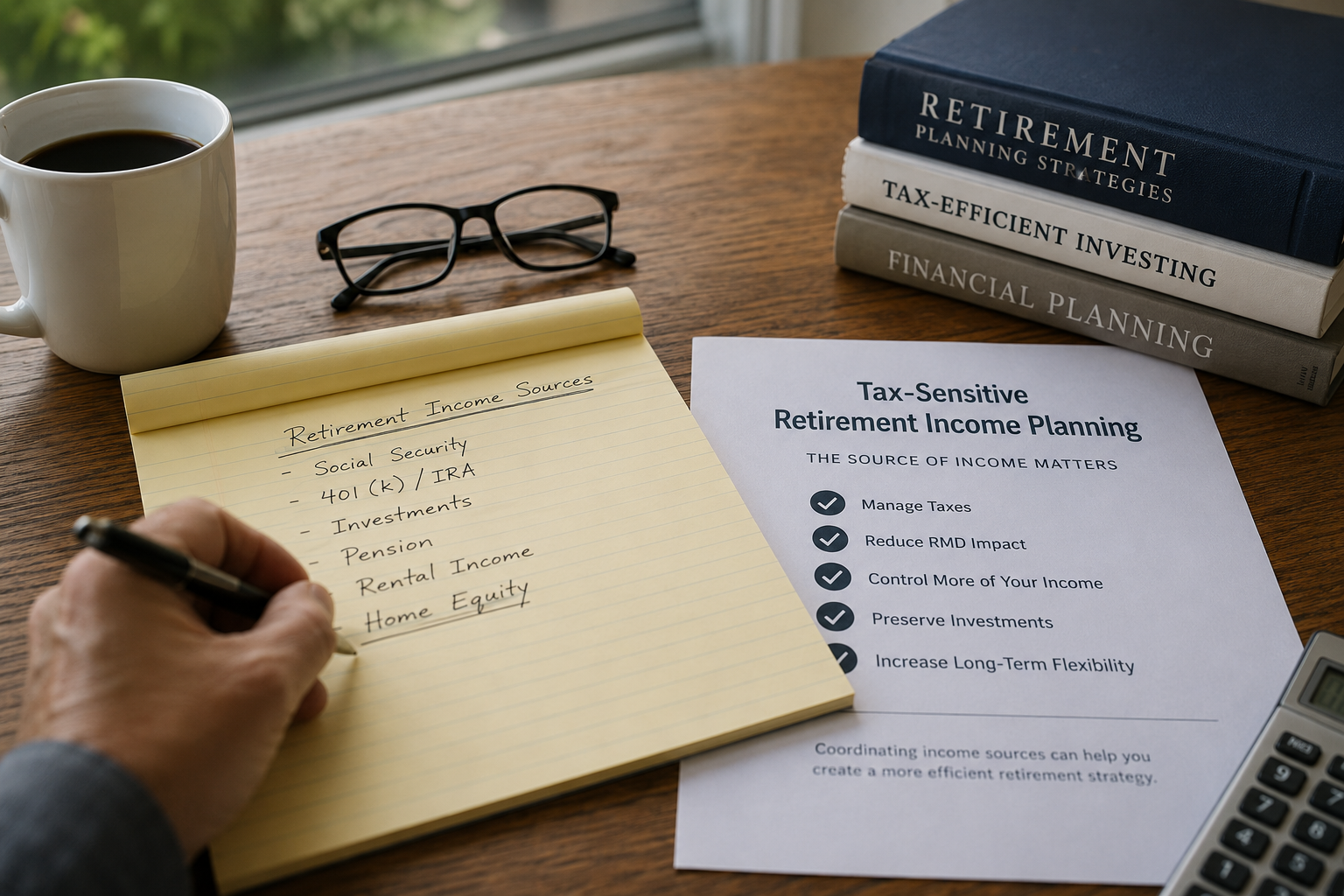
Tax-Sensitive Retirement Income Planning: Why the Source of Retirement Income Matters
Retirement income planning is about more than generating cash flow. It is also about understanding where that income comes from. For many retirees, income may be generated from multiple sources, […]
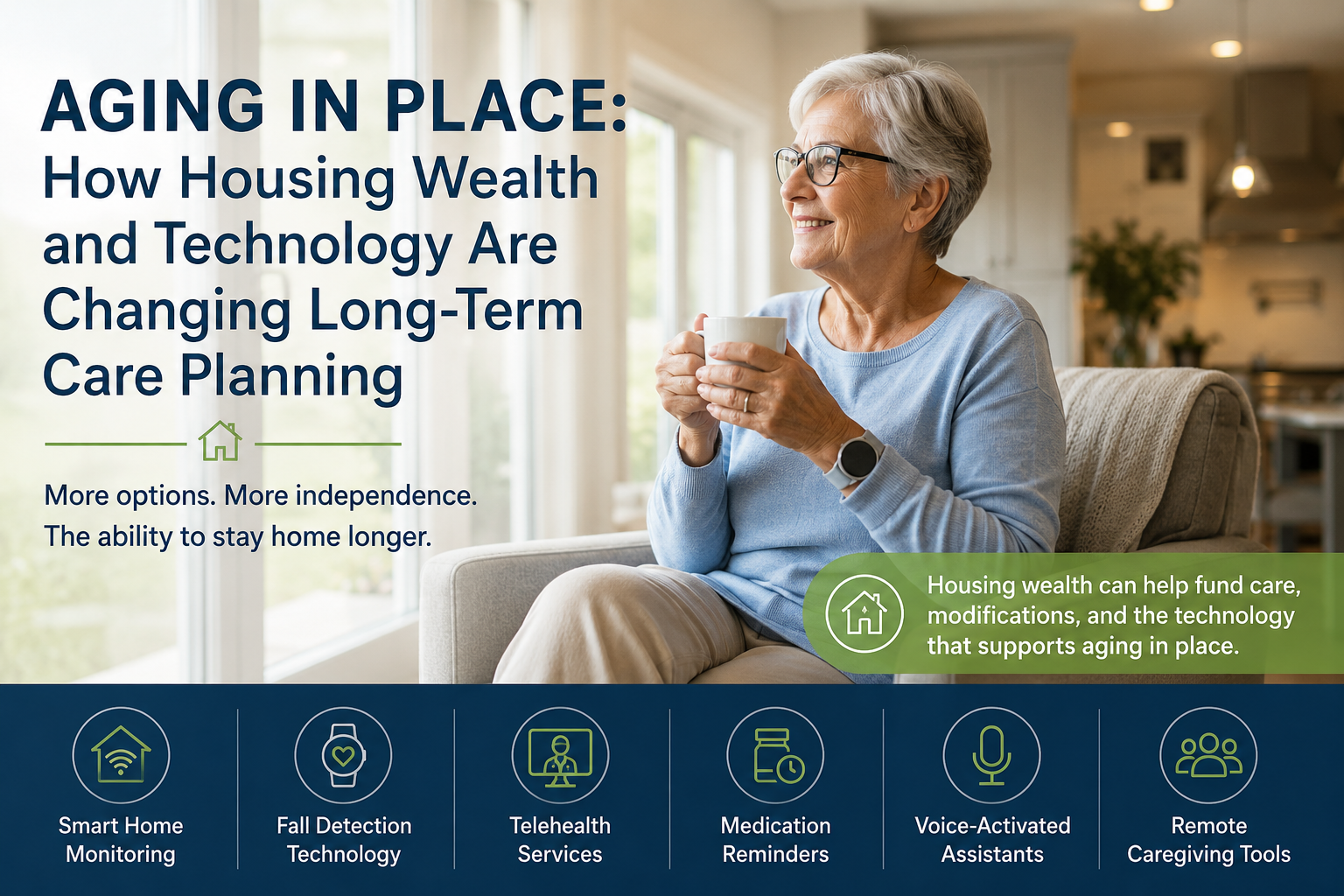
Aging in Place: How Housing Wealth and Technology Are Changing Long-Term Care Planning
For most retirees, the goal is simple: Stay independent. Stay comfortable. Stay at home for as long as possible. In fact, numerous studies have shown that most older adults prefer […]
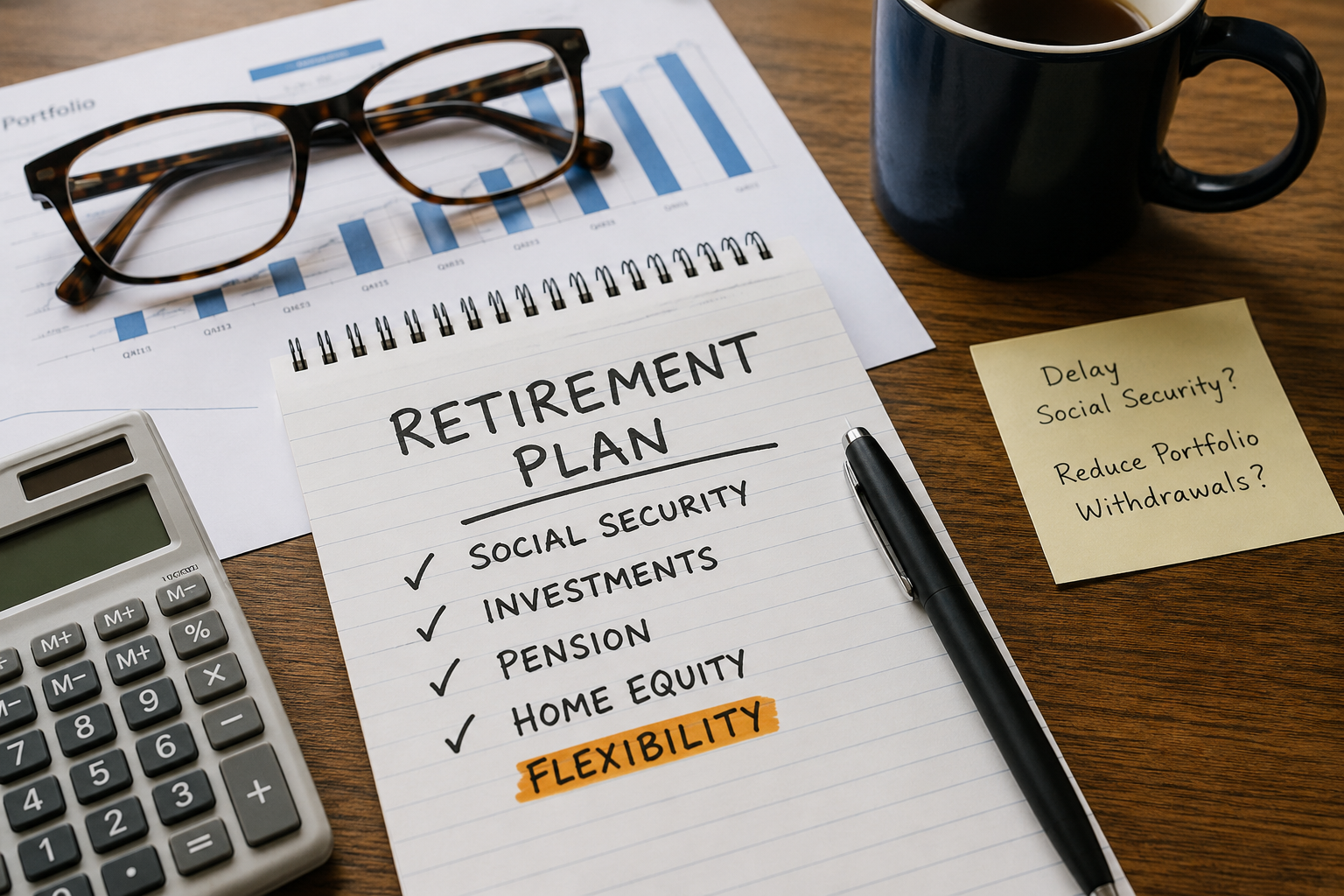
Delaying Social Security and Portfolio Withdrawals: Could Housing Wealth Create More Retirement Income Flexibility?
Financial advisors spend significant time helping clients make important retirement income decisions. When should Social Security benefits begin? How much should be withdrawn from investment accounts? How can retirement […]

The Hidden Housing Wealth Problem Facing Retirees — And How a Reverse Mortgage Can Help
A recent Forbes article titled “The Great Wealth Transfer’s Hidden Housing Problem” highlighted an important issue many families are beginning to face across America. As trillions of dollars are expected […]

Retirement Cash Flow Planning: How Eliminating a Mortgage Payment May Improve Retirement Flexibility
For many retirees, retirement planning is not just about net worth. It is about monthly cash flow. A client may have substantial assets, significant home equity, and a well-structured investment […]

Sequence-of-Returns Risk: Why Financial Advisors Should Not Ignore Housing Wealth
One of the greatest risks in retirement planning is not simply market volatility. It is the timing of that volatility. Financial advisors understand this well. A retiree who experiences negative […]

Why “My Client Doesn’t Need a Reverse Mortgage” May Be the Wrong Analysis
Financial advisors are trained to look beyond surface-level answers. A client may not “need” a Roth conversion.They may not “need” tax-loss harvesting.They may not “need” a trust review.They may not […]
Learn About Reverse Mortgages and Retirement
Reverse mortgages can be used in different ways depending on a homeowner’s age, home equity, financial goals, and the loan program available. For some homeowners, the goal may be eliminating an existing monthly mortgage payment. Others may be interested in establishing a line of credit, supplementing monthly cash flow, purchasing another home, or creating greater flexibility in retirement.
Our articles explore these strategies along with HECM and proprietary reverse mortgage programs, retirement planning considerations, housing trends, and other topics affecting homeowners age 55 and older.
Have Questions About Your Reverse Mortgage Options?
Reading about reverse mortgages is a great place to start, but every homeowner’s situation is different. If you’d like to understand how the available options may apply to your home, goals, and financial situation, I’m happy to help.